Analyzing Connections Between Secure Transaction Flows and Tiered Reward Accumulation in Portable Gaming Interfaces
Katja Jung · Jul 9, 2026
Analyzing Connections Between Secure Transaction Flows and Tiered Reward Accumulation in Portable Gaming Interfaces
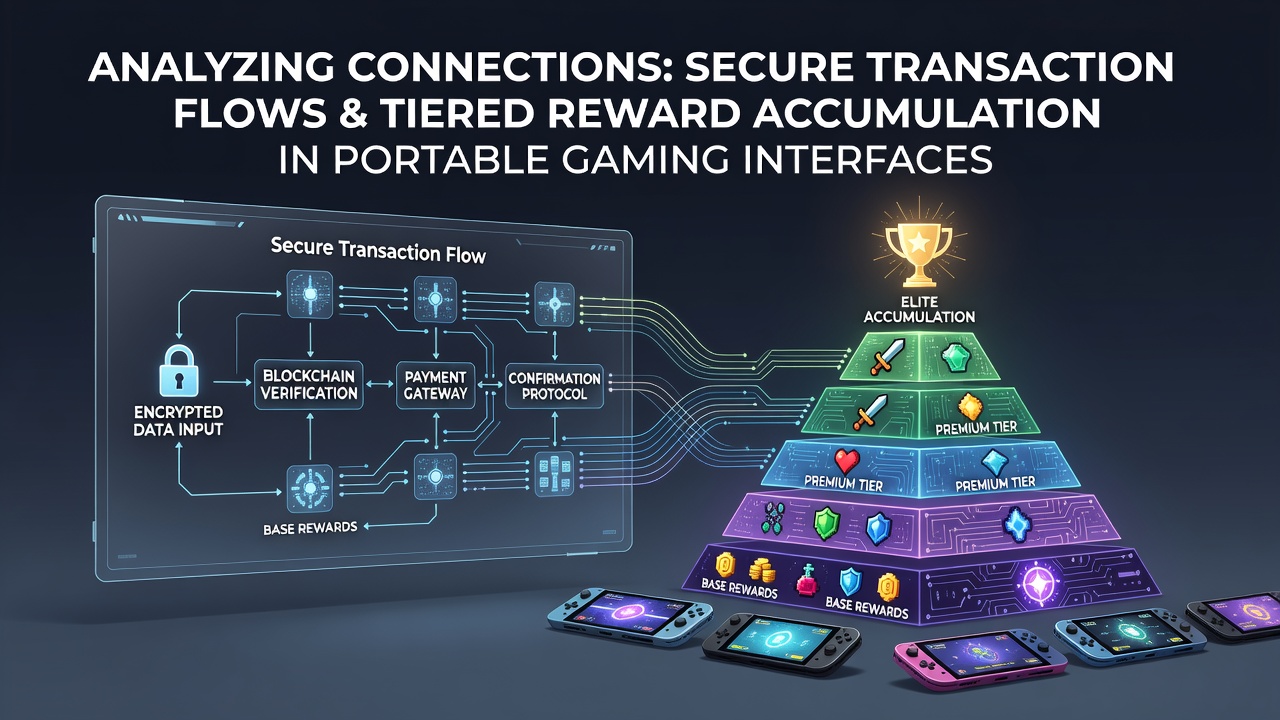
Portable gaming interfaces have integrated secure transaction flows with tiered reward accumulation systems in ways that shape player progression and platform economics throughout 2026, and data from industry reports show these connections rely on encrypted payment pathways that verify each deposit before allocating points toward higher loyalty tiers.
Developers design these systems so transaction verification occurs in milliseconds while reward ledgers update simultaneously, and this synchronization prevents discrepancies that could disrupt player advancement in mobile environments where users switch between devices frequently.
Transaction Security Protocols in Mobile Platforms
Secure transaction flows begin with multi-factor authentication layers that include device fingerprinting and biometric checks, and these steps feed directly into backend servers that log every movement of funds before any reward calculation starts. Regulatory frameworks in regions such as Australia require operators to maintain audit trails for all transfers, and figures from the Interactive Games and Entertainment Association reveal that compliance audits in early 2026 confirmed higher retention rates among platforms using tokenized payment methods.
Tokenization replaces sensitive card details with unique identifiers that travel through secure channels, while reward engines monitor cumulative spending thresholds that unlock new benefit levels, and this linkage ensures players cannot bypass tiers through unverified activity. Studies conducted by European research institutions have documented how end-to-end encryption reduces fraud incidents by measurable percentages across portable applications, yet the same studies note that reward accumulation continues uninterrupted once verification completes.
Tiered Reward Structures and Accumulation Mechanics
Tiered reward systems categorize players into ascending levels based on transaction volume and frequency, and each level grants escalating benefits such as bonus credits or exclusive content access that appear automatically after the system registers qualifying activity. Portable interfaces display progress bars that reflect real-time updates drawn from the same secure ledgers used for payments, and this visual feedback encourages continued engagement without requiring separate reward claims.
Accumulation rules often incorporate time-bound multipliers that apply only after a verified transaction clears, and platform analytics indicate that players reaching mid-tier status complete more transactions per session than those at entry levels. Data compiled through July 2026 shows consistent patterns where reward points convert into tangible in-game advantages at predictable rates, and these conversions depend on transaction history remaining intact within encrypted databases.
Interdependencies Between Flows and Rewards
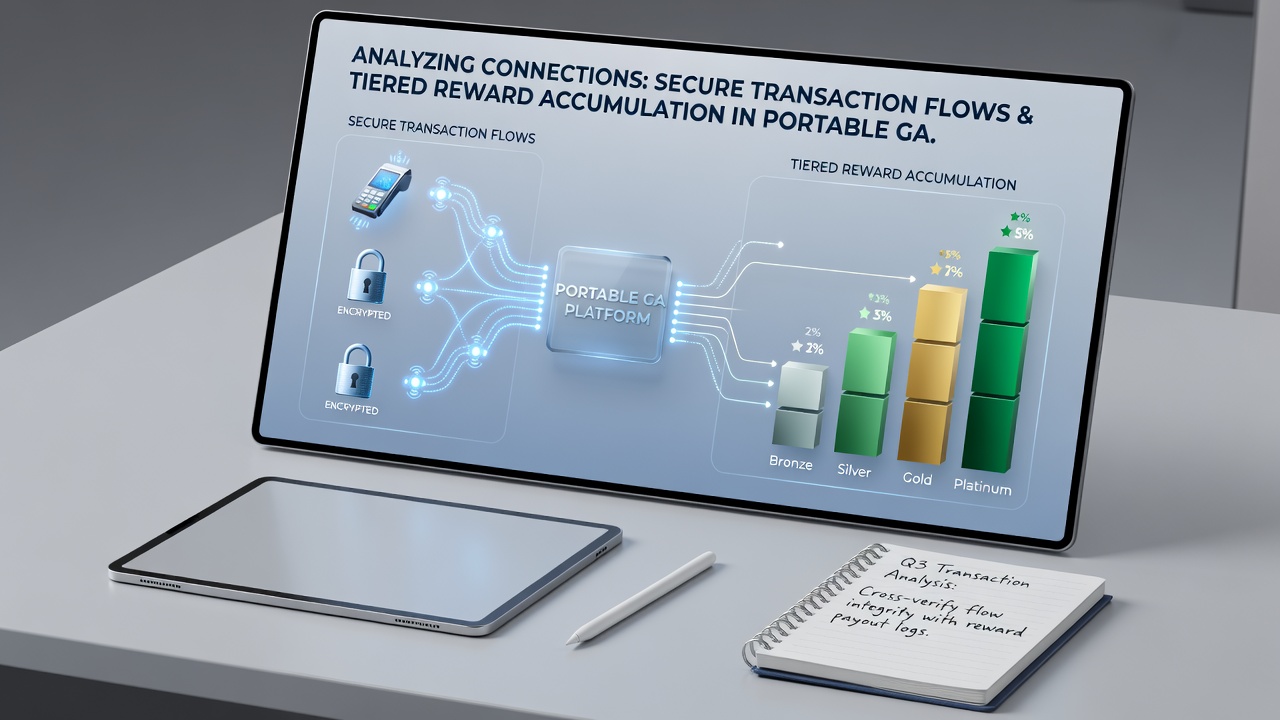
Connections between secure flows and reward tiers emerge most clearly during high-volume periods when multiple transactions process concurrently, and the reward engine pauses point allocation until each payment receives confirmation from financial processors. This pause mechanism protects against chargebacks while maintaining accurate tier standings, and observers note that platforms employing real-time reconciliation experience fewer disputes over accumulated benefits.
Analytics platforms track correlations between transaction security scores and reward redemption rates, and reports from academic sources in Canada have outlined how stronger encryption correlates with steadier progression through loyalty levels. Developers integrate application programming interfaces that allow reward systems to query transaction status without exposing raw financial data, and this architecture supports seamless advancement across portable devices regardless of network conditions.
Case examples from major operators demonstrate that players who maintain consistent verified spending patterns reach elite tiers faster, and these patterns appear in aggregated datasets released during mid-2026 industry reviews. The same datasets highlight regional variations where different regulatory standards influence how quickly rewards activate after funds settle.
Future Developments in Integrated Systems
Upcoming updates scheduled for late 2026 aim to further tighten integration by incorporating blockchain elements for immutable reward ledgers that still interface with traditional payment gateways, and preliminary tests indicate reduced latency in point updates following each secured transaction. Industry associations across Asia have begun sharing best-practice guidelines that address both security compliance and reward transparency, and these guidelines influence how portable interfaces display tier benefits to users.
Research continues into adaptive algorithms that adjust reward thresholds based on transaction risk profiles, and early findings suggest such adjustments preserve player trust while sustaining platform revenue streams. Those who monitor these developments observe steady evolution in how portable gaming interfaces balance protection of funds with visible paths to higher reward status.
Conclusion
Secure transaction flows and tiered reward accumulation function as interconnected components within portable gaming interfaces, and their linkage relies on verified data exchanges that support both financial integrity and player progression. Evidence gathered through 2026 confirms these systems operate in tandem across multiple regulatory environments, and continued refinement promises more efficient connections that maintain accuracy without sacrificing speed.