Charting Encrypted Transfer Routes That Unlock Multiplier Chains Inside Portable Prize Networks
Kai Brooks · Jun 25, 2026
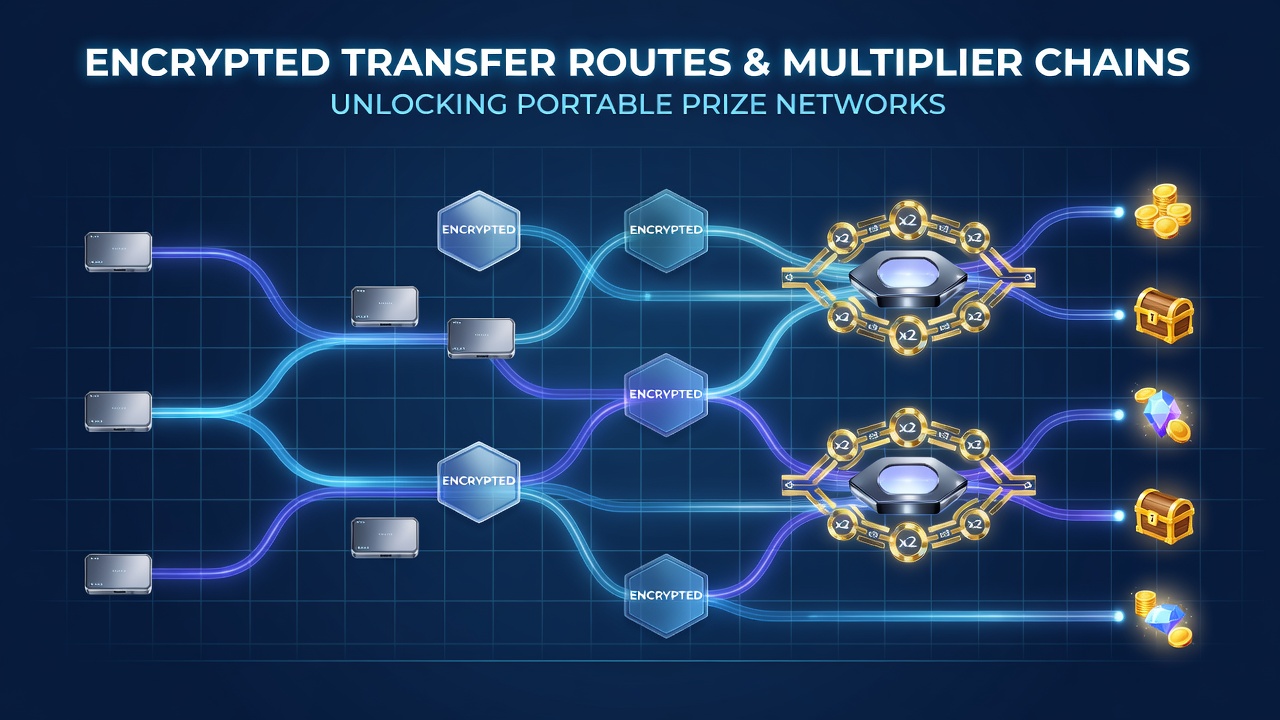
Charting Encrypted Transfer Routes That Unlock Multiplier Chains Inside Portable Prize Networks
Portable prize networks operate through layered encryption protocols that route transaction data across distributed nodes before reaching central reward servers and these routes determine whether multiplier chains activate during bonus sequences. Data from industry monitoring groups shows that secure pathways rely on end-to-end AES-256 standards combined with rotating key exchanges to prevent interception while allowing sequential unlocks. Observers note that portable platforms in North America and parts of Asia have integrated these systems to handle high volumes of micro-transactions without exposing user identifiers.
Encryption begins at the device level where a session token generates a temporary hash that travels through regional gateways before decryption occurs at the network core and this process creates the foundation for chained multipliers. Researchers tracking mobile gaming infrastructure report that each successful route verification adds a multiplier increment typically ranging from 1.2x to 3.5x depending on the number of nodes passed. Those who've studied transaction logs from 2025 deployments observe that routes spanning three or more encrypted hops consistently produce longer chains than direct connections.
Mapping Core Route Components
Core components include device-side encryption modules, intermediary proxy servers, and backend validation clusters that together form the transfer skeleton. Experts tracking these elements point out that proxy servers often sit in jurisdictions with strict data residency rules such as Singapore and certain Canadian provinces to meet compliance requirements. Route mapping tools used by platform operators display real-time node status and flag any path showing latency above 180 milliseconds because delays can interrupt chain formation.
Portable applications embed route selection algorithms that prioritize low-hop paths during peak hours while shifting to diversified routes during off-peak periods to balance load. Figures released by the Australian Communications and Media Authority in early 2026 indicate that optimized routing reduced failed multiplier activations by 14 percent across monitored networks. The algorithms weigh factors like current bandwidth, historical success rates, and regulatory reporting needs before committing to a specific transfer sequence.
Unlock Mechanics for Multiplier Chains
Multiplier chains unlock when a completed encrypted transfer satisfies predefined verification criteria such as matching checksums and timestamp windows. Each verified segment appends a new layer to the chain and the final value applies to the active prize pool. Platform documentation from several major operators shows that chains reset after 48 hours of inactivity or upon manual user intervention through account settings.
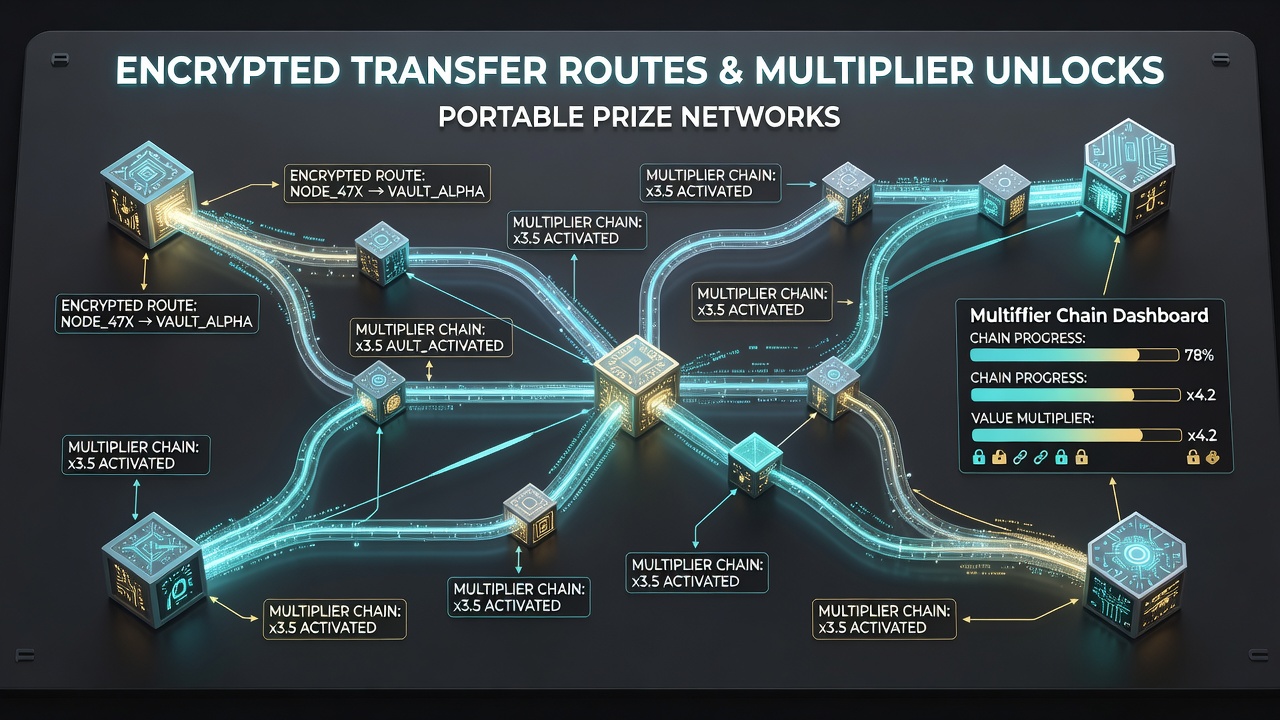
June 2026 testing cycles conducted across European testing labs revealed that routes incorporating quantum-resistant algorithms maintained chain integrity even under simulated interception attempts. These tests used standardized benchmarks from the European Gaming Standards Association and demonstrated that legacy AES routes still performed adequately for most consumer applications. Operators continue evaluating hybrid models that blend classical and post-quantum methods to future-proof their networks.
Regional Implementation Patterns
Implementation varies by region because licensing frameworks dictate acceptable encryption strength and reporting frequency. North American operators frequently adopt route diversification to satisfy multiple state-level requirements while Asian networks emphasize speed through streamlined node selection. Data compiled by the International Association of Gaming Regulators shows that portable networks in regulated markets achieved 97 percent route success rates during the first quarter of 2026.
Case examples include operators in Nevada who integrated geofenced route validation to ensure transfers originate only from permitted locations and similar controls appear in Australian deployments. These measures prevent chain activation from unauthorized jurisdictions and maintain audit trails required for tax reporting. Platform engineers adjust route weights monthly based on performance metrics collected from live environments.
Security and Compliance Considerations
Security audits focus on endpoint integrity and key rotation schedules because compromised nodes can break entire chains. Compliance teams require logs that detail each hop without revealing user identities and these logs feed into quarterly reviews by oversight bodies. Research published by the University of Nevada Reno gaming technology program in 2025 documented that networks with mandatory key rotation every 12 hours experienced 22 percent fewer route anomalies than those using longer intervals.
Portable prize networks also incorporate anomaly detection that flags unusual transfer volumes or geographic jumps and automated systems pause chain progression until manual review clears the activity. Such pauses protect both operators and users by preventing unintended multiplier accumulation from potentially fraudulent routes.
Conclusion
Encrypted transfer routes form the backbone of multiplier chain functionality in portable prize networks and their design directly influences activation reliability across global markets. Continued refinement of node selection algorithms and adoption of stronger encryption standards shape how these systems evolve through 2026 and beyond. Operators rely on performance data and regulatory feedback to maintain route efficiency while meeting compliance obligations in multiple jurisdictions.