Decoding the Algorithms Behind Fair Distribution of Prizes in Networked Slot Systems
Kai Brooks · Aug 11, 2026
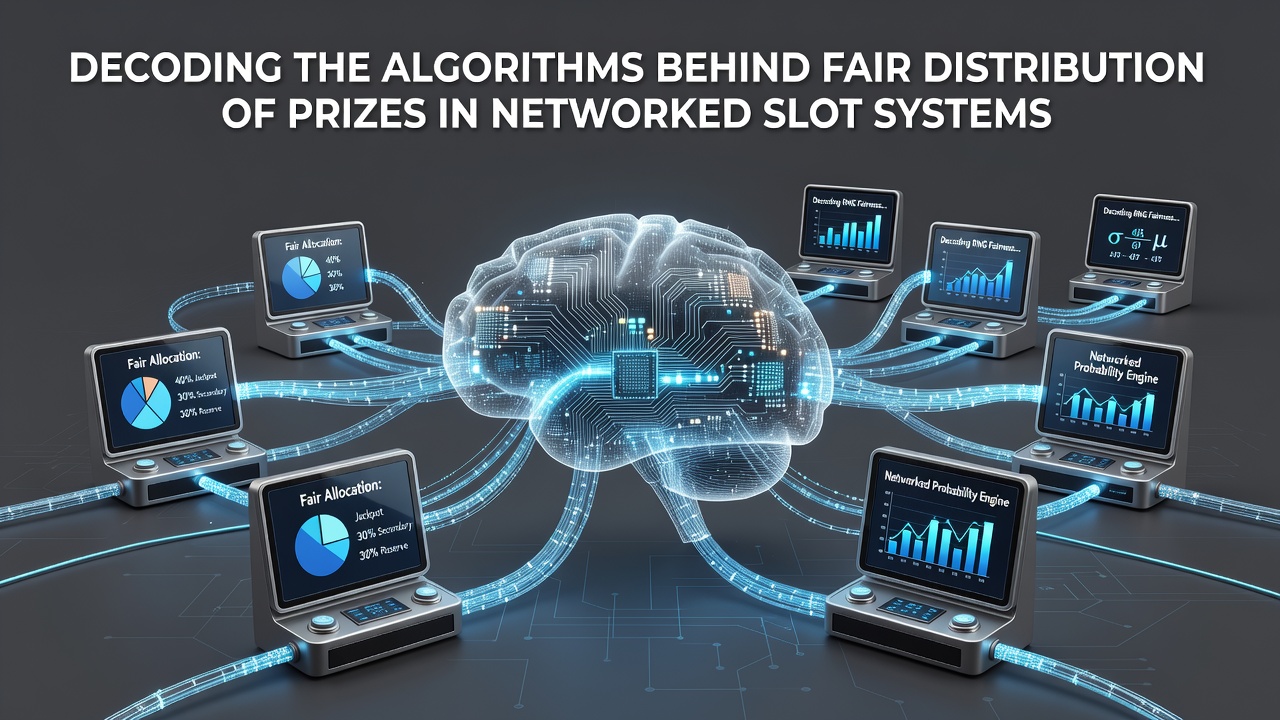
Decoding the Algorithms Behind Fair Distribution of Prizes in Networked Slot Systems
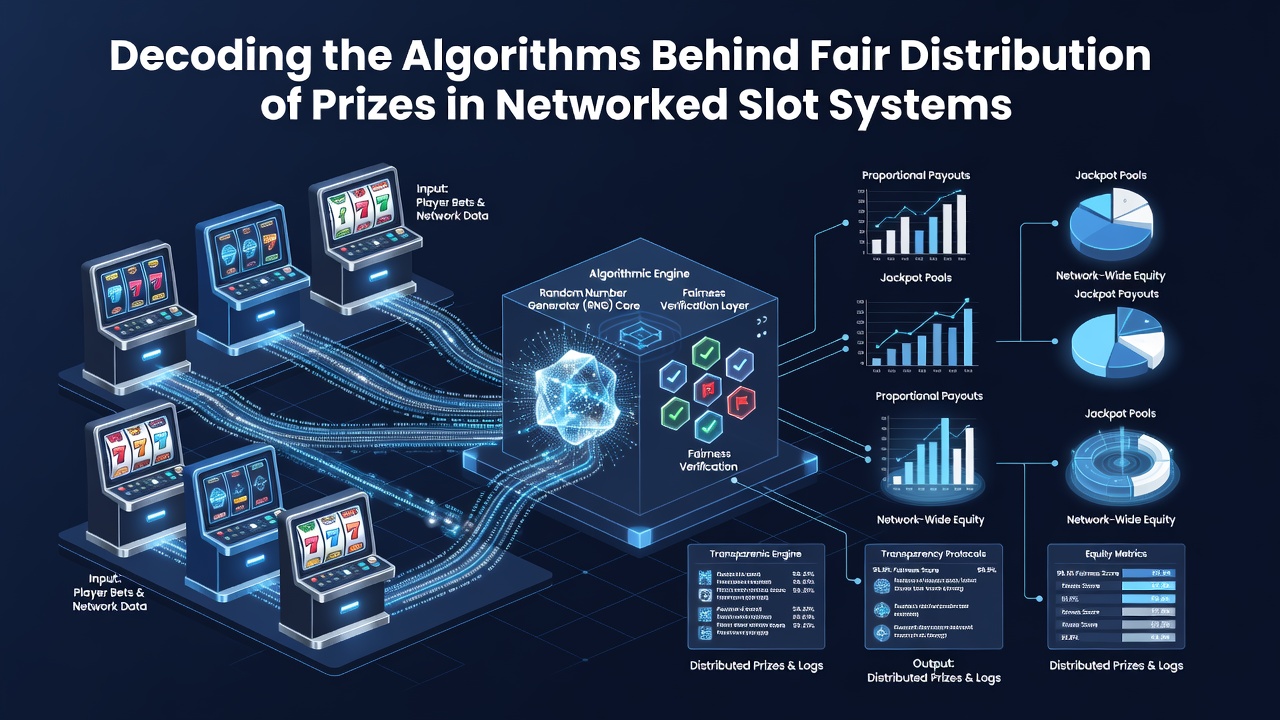
Networked slot systems link multiple machines across casinos or jurisdictions to share progressive prize pools, and the algorithms governing these connections determine how contributions accumulate and how winners receive payouts. These systems rely on centralized servers that track every bet placed on connected devices, calculate portions allocated to jackpots, and trigger distributions when specific conditions activate. Data from regulatory filings shows that such networks often span dozens of locations while maintaining synchronized prize levels updated in real time.
Core Components of Networked Prize Pools
Each machine in a networked setup contributes a fixed percentage of wagers to one or more prize pools, and the central controller aggregates these amounts without revealing individual player data to other participants. Algorithms segment the pools into base jackpots and mystery prizes, where the latter trigger based on hidden thresholds rather than visible counters. This segmentation prevents any single location from dominating the distribution cycle because contributions flow through encrypted channels that equalize access across the network.
Random Number Generation and Synchronization
Pseudorandom number generators form the foundation for determining outcomes on every spin, yet networked systems add layers of coordination to ensure fairness when multiple machines compete for the same prize. Certified RNG algorithms undergo testing by independent laboratories that verify statistical randomness over millions of simulated plays, and regulators require periodic audits to confirm that no external signal can influence results once the generator seeds are set. In practice, servers timestamp each contribution and outcome to maintain chronological integrity across geographically dispersed sites.
Allocation Logic and Trigger Mechanisms
Allocation algorithms divide incoming contributions according to predefined ratios that account for machine denomination, location volume, and promotional incentives, and these ratios remain fixed until operators submit formal changes to oversight bodies. Trigger conditions typically combine a minimum pool size with a random selection process that selects the winning machine from active participants, which avoids predictable patterns that could favor high-traffic venues. Observers note that some networks incorporate time-based decay functions that gradually increase hit probabilities as pools grow, thereby distributing prizes more evenly throughout operational periods.
Regulatory Oversight and Certification Standards
Authorities in multiple regions mandate that networked slot operators submit source code and mathematical models for review before deployment, and certification bodies examine both the RNG core and the prize distribution modules for compliance. According to reports from the Nevada Gaming Control Board, systems must demonstrate that prize allocation remains independent of player identity or betting history once contributions enter the pool. Additional standards from the Australian Gambling Research Centre emphasize transparency in how networked contributions cross state lines without introducing latency that could affect fairness.
Security Measures Against Manipulation
Encryption protocols protect data streams between machines and central servers, while intrusion detection systems monitor for anomalies that might indicate tampering with contribution rates or trigger thresholds. Network architects implement redundant servers that mirror operations in separate facilities so that a single point of failure cannot halt prize calculations or delay distributions. Studies conducted by academic researchers at institutions focused on computational security have examined how blockchain-style ledgers could further log every transaction in a tamper-evident manner, although most current deployments still rely on traditional relational databases with strict access controls.
Case Examples from Operational Networks
One documented network operating across several U.S. states uses a weighted random selection algorithm that factors in each machine's contribution volume over the preceding hour, which balances the chances for smaller venues against larger ones. Another system deployed in European markets applies a tiered prize structure where minor jackpots reset more frequently than major ones, and the algorithm adjusts reset values based on aggregate play data collected daily. These configurations illustrate how the same underlying principles adapt to different regulatory environments while preserving the core requirement of equitable distribution.
Conclusion
Algorithms that manage prize distribution in networked slot systems integrate RNG certification, contribution tracking, and trigger logic into a cohesive framework that regulatory bodies review continuously. As networks expand and incorporate new machine types, the mathematical models evolve to maintain statistical fairness across all connected participants. The documented practices and standards ensure that prize allocation remains consistent regardless of location or volume, providing a stable foundation for these interconnected gaming environments.