Encryption Protocols Guiding Bonus Pathways Across Mobile Slots Live Tables and Loyalty Structures
Katja Jung · Aug 18, 2026
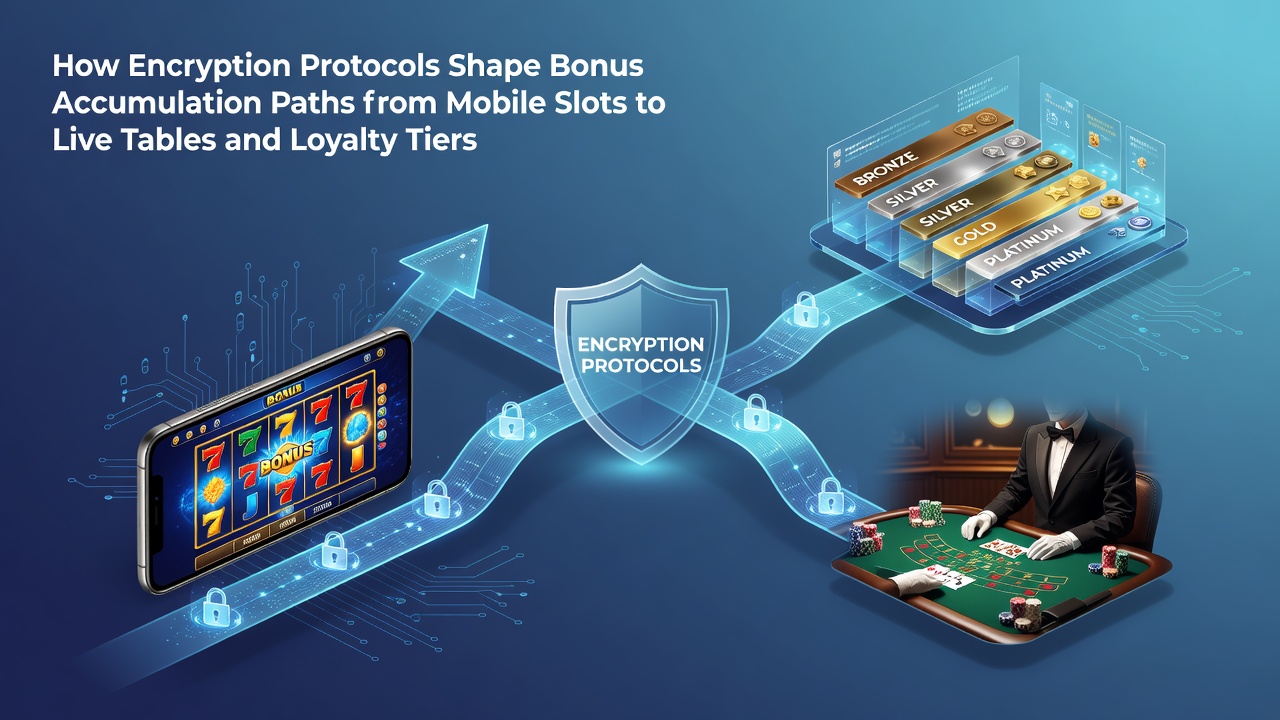
Encryption Protocols Guiding Bonus Pathways Across Mobile Slots Live Tables and Loyalty Structures
Encryption protocols establish secure channels that protect every stage of bonus accumulation in digital casino environments, from the first spin on a mobile slot to verified play at live dealer tables and eventual qualification for loyalty tier benefits, and these measures ensure that transaction records and gameplay data remain intact during transfers between platforms. Data transmitted through mobile applications undergoes encryption via standards such as TLS 1.3, which prevents interception while players complete deposits that trigger welcome bonuses or reload offers, and this process continues as users move into live table sessions where real-time bet tracking feeds into the same accumulation system.
Secure Data Flows in Mobile Slot Environments
Players initiate bonus paths through mobile slots where encryption secures initial deposits and wager requirements, and systems log each spin under protected protocols that link activity directly to player accounts without exposing sensitive details during network exchanges. Research from industry reports shows that encrypted RNG outputs maintain fairness verification while simultaneously updating bonus meters, which allows operators to confirm eligibility for tier progression based on accumulated activity, and this integration reduces discrepancies that could otherwise stall reward redemptions. In August 2026 regulatory updates highlighted continued reliance on these protocols to align with cross-platform data standards, ensuring that mobile slot contributions translate accurately into live table credits.
Transition to Live Table Integration
Live dealer platforms receive encrypted feeds from mobile sessions, which means bonus balances carry over without interruption as players switch devices or game types, and authentication layers verify identity through multi-factor methods that protect against unauthorized access during high-stakes table play. Observers note that end-to-end encryption covers video streams and bet placements alike, allowing loyalty programs to record table-specific contributions such as hands played or average wager amounts, and these records feed into centralized databases that calculate tier advancement. According to information from the New Jersey Division of Gaming Enforcement, encrypted audit trails have supported consistent bonus validation across mobile and live formats in regulated markets.
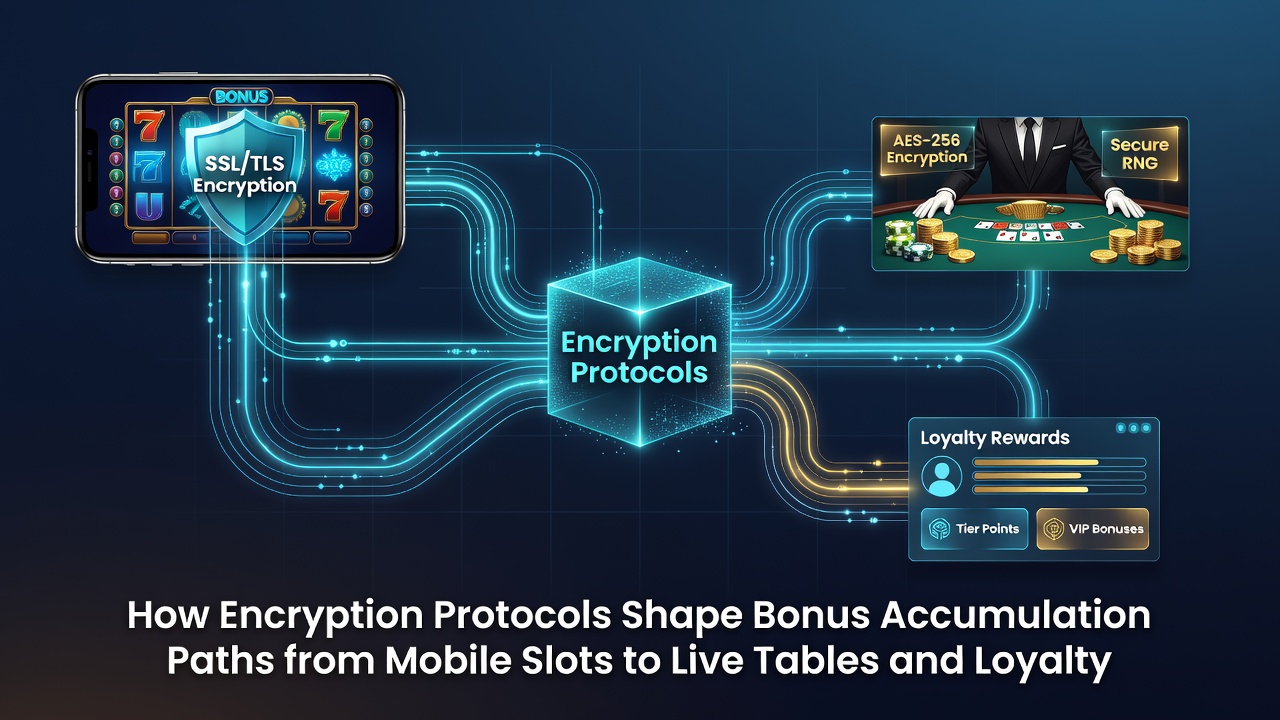
Systems employ tokenization alongside core encryption to mask payment details during live sessions, which keeps focus on gameplay while backend processes update loyalty points in real time, and this approach supports seamless movement from slots to tables without requiring players to restart accumulation cycles. What's interesting is how these protections extend to geolocation checks that confirm eligible play regions before crediting bonuses, preventing interruptions that might affect tier status calculations.
Loyalty Tier Calculations Under Protected Systems
Loyalty programs rely on encrypted databases to aggregate data from both mobile slots and live tables, which creates unified profiles that determine eligibility for higher tiers based on total activity volume and frequency, and advanced protocols such as AES-256 safeguard these records against tampering during storage or transfer. Researchers have documented cases where encrypted APIs enable instant synchronization between game servers and loyalty engines, allowing points earned at tables to reflect immediately in mobile dashboards, and this connectivity streamlines progression without exposing raw player information. Reports from the European Gaming and Betting Association indicate that such measures have become standard in maintaining compliance while supporting reward structures across multiple game categories.
Additional safeguards include regular key rotation and intrusion detection that monitor for anomalies in bonus tracking logs, and these steps ensure that loyalty tier upgrades occur only after verified encrypted confirmations reach the central system. Players advancing through tiers often encounter progressive benefits like enhanced cashback rates or exclusive table access, all of which trace back to securely accumulated data points from initial mobile sessions onward.
Cross-Platform Consistency and Regulatory Alignment
Operators maintain consistent encryption policies across platforms to support uninterrupted bonus paths, which means mobile slot deposits and live table wagers contribute equally to loyalty metrics under the same security framework, and this uniformity helps operators meet varying regional requirements without altering core accumulation mechanics. Data shows that encrypted transaction logs facilitate rapid reconciliation during audits, allowing loyalty programs to issue tier rewards based on complete records rather than fragmented entries. Yet the process demands ongoing updates to protocols as new threats emerge, keeping bonus pathways reliable from one game type to the next.
Conclusion
Encryption protocols continue to underpin the movement of bonus data from mobile slots through live tables into loyalty tier structures by securing every transmission and record update along the way, and this foundation supports accurate tracking that aligns with operational and regulatory expectations in evolving digital gaming spaces. The result appears in streamlined player experiences where accumulated activity translates directly into rewards without security-related delays or discrepancies.