Integrating Biometric Verification into Portable Gaming Ecosystems for Enhanced Account Protection
Katja Jung · Jul 21, 2026
Integrating Biometric Verification into Portable Gaming Ecosystems for Enhanced Account Protection
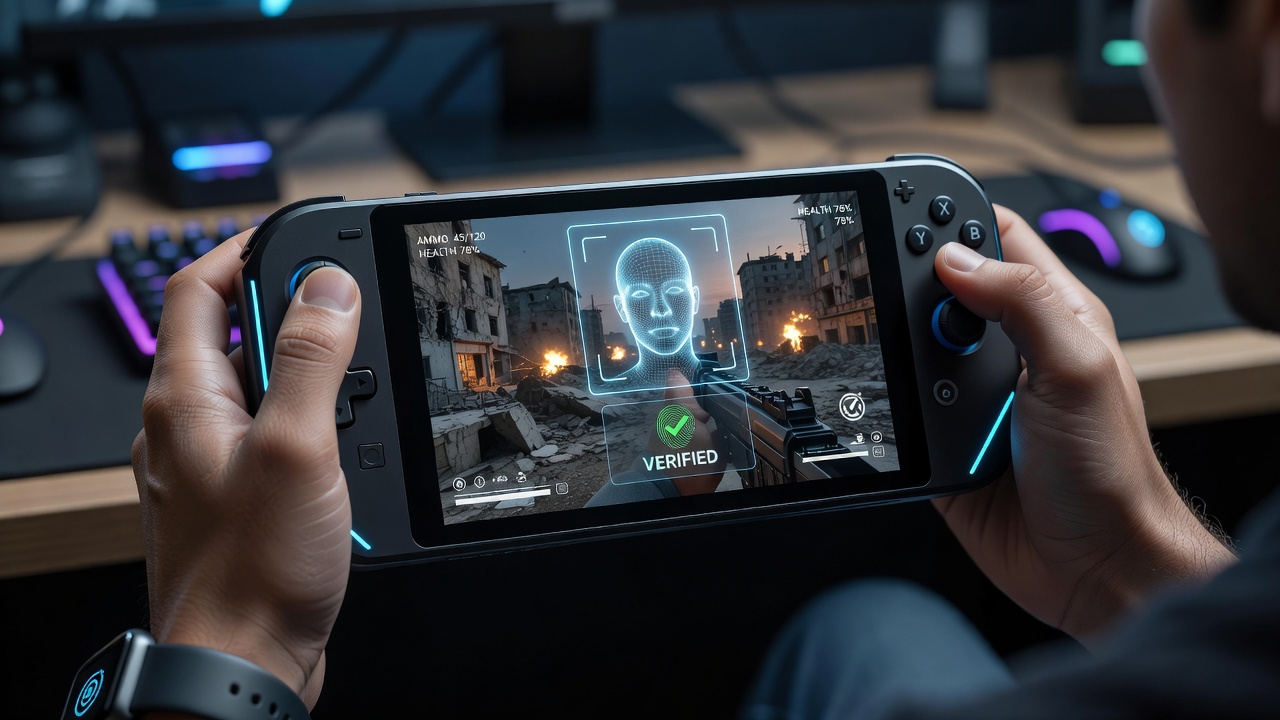
Mobile gaming platforms have expanded their reach across global markets through the first half of 2026, with user accounts holding substantial in-game assets and personal data that require layered protection measures beyond traditional passwords. Biometric verification integrates directly into these portable ecosystems by leveraging device sensors such as fingerprint scanners, facial recognition cameras, and voice analysis modules to confirm user identity at login and during high-value transactions.
Expansion of Mobile Gaming and Associated Security Demands
Portable gaming ecosystems now support cross-device synchronization for millions of active accounts, and data from industry reports indicates that unauthorized access incidents rose alongside this scale, prompting developers to adopt hardware-based authentication protocols. Researchers at various institutions have documented how biometric systems reduce reliance on memorized credentials while maintaining compatibility with operating systems from major providers.
Implementation occurs through application programming interfaces that connect gaming software to built-in device capabilities, allowing seamless enrollment during initial setup and subsequent verifications that occur in under two seconds on average. Those who manage large-scale deployments note that integration requires alignment with existing privacy frameworks to handle biometric templates locally on the device rather than transmitting raw data to central servers.
Technical Mechanisms Behind Biometric Integration
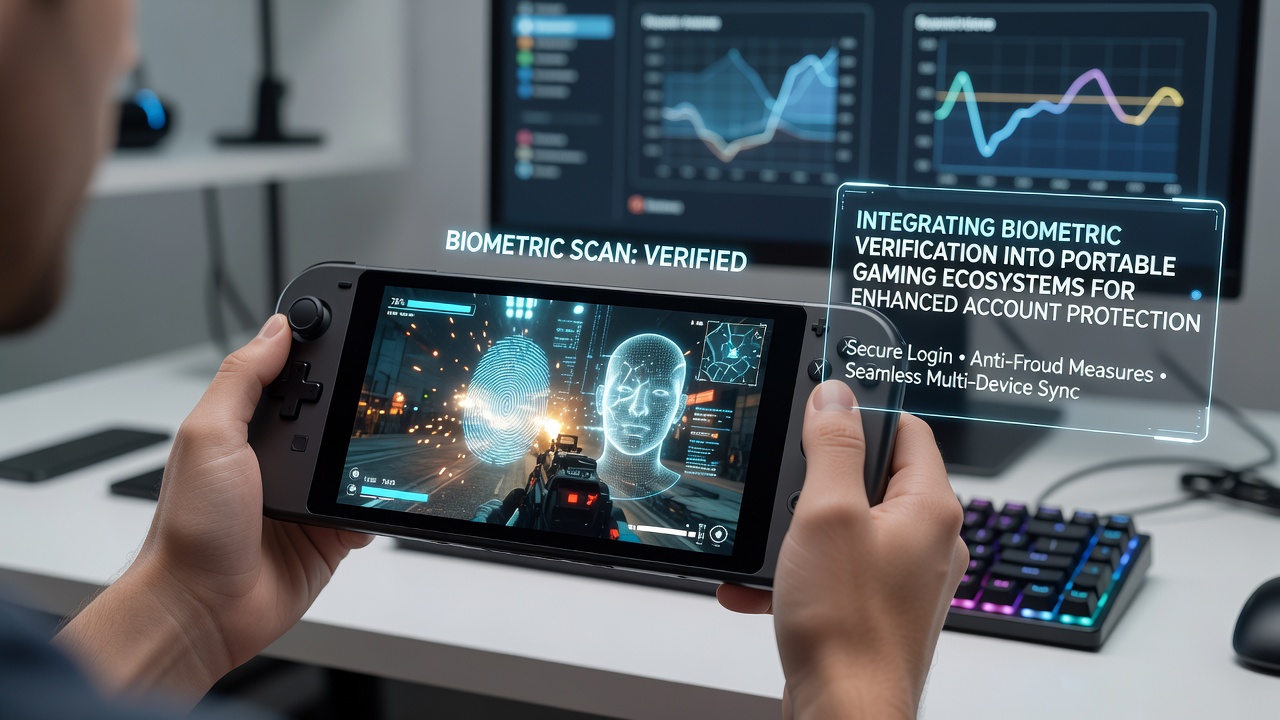
Fingerprint and facial recognition modules operate by creating encrypted mathematical representations of user traits, and these templates compare against live scans without storing photographic or scan images in accessible formats. Voice authentication adds another layer for hands-free scenarios, analyzing frequency patterns and speech cadence during multiplayer sessions or voice command features common in portable titles.
Studies conducted through 2025 and into July 2026 demonstrate that multi-modal biometrics, combining two or more methods, achieve verification accuracy rates above 99 percent in controlled tests across diverse user demographics. The National Institute of Standards and Technology has published guidelines on biometric performance metrics that gaming companies reference when calibrating their systems for varying lighting conditions and device orientations.
Adoption Patterns Across Gaming Platforms
Leading portable gaming titles began rolling out biometric options in phases starting late 2024, with full ecosystem support reaching broader audiences by mid-2026. European regulatory bodies such as the European Union Agency for Cybersecurity have outlined standards for secure biometric handling that influence how developers structure consent flows and data retention policies within gaming applications.
Account protection improves when biometric checks trigger automatically after periods of inactivity or before processing purchases, and this approach limits exposure windows compared to static password resets that often involve email or SMS intermediaries. Observers tracking adoption rates report higher compliance among users when the process completes without interrupting gameplay flow for extended periods.
Regulatory and Technical Considerations in 2026
Compliance with data protection regulations requires gaming services to offer opt-out mechanisms and clear explanations of how biometric information remains isolated from other account details. Academic papers from research teams in Australia and Canada highlight methods for template encryption that withstand common extraction attempts while preserving verification speed on resource-constrained mobile hardware.
Device manufacturers continue refining sensor precision, and updates released around July 2026 incorporate improved anti-spoofing algorithms that detect synthetic replicas or deepfake attempts during facial scans. Gaming ecosystems that incorporate these updates report fewer account recovery requests tied to credential theft.
Future Trajectories for Biometric Protections
Portable gaming continues to incorporate emerging sensor types such as under-display ultrasonic readers and advanced infrared mapping, expanding verification options without additional hardware purchases for end users. Industry associations track these developments through annual surveys that show steady increases in developer investment toward biometric infrastructure.
Integration success depends on balancing security enhancements with accessibility features, including fallback methods for users whose biometric data changes due to injury or environmental factors. Evidence from multiple platform analyses confirms that hybrid systems maintain account integrity across regions with differing network conditions and device availability.
Conclusion
Biometric verification has become a standard component within portable gaming security architectures by July 2026, supported by hardware advancements and regulatory guidance from bodies across North America, Europe, and the Asia-Pacific region. Continued refinement of these systems aligns with the expanding scope of mobile ecosystems that manage both entertainment value and user data sensitivity.