Membership Progression Strategies Using Verified Mobile Transactions in Licensed Gaming Applications
Riley Lehmann · Sep 10, 2026
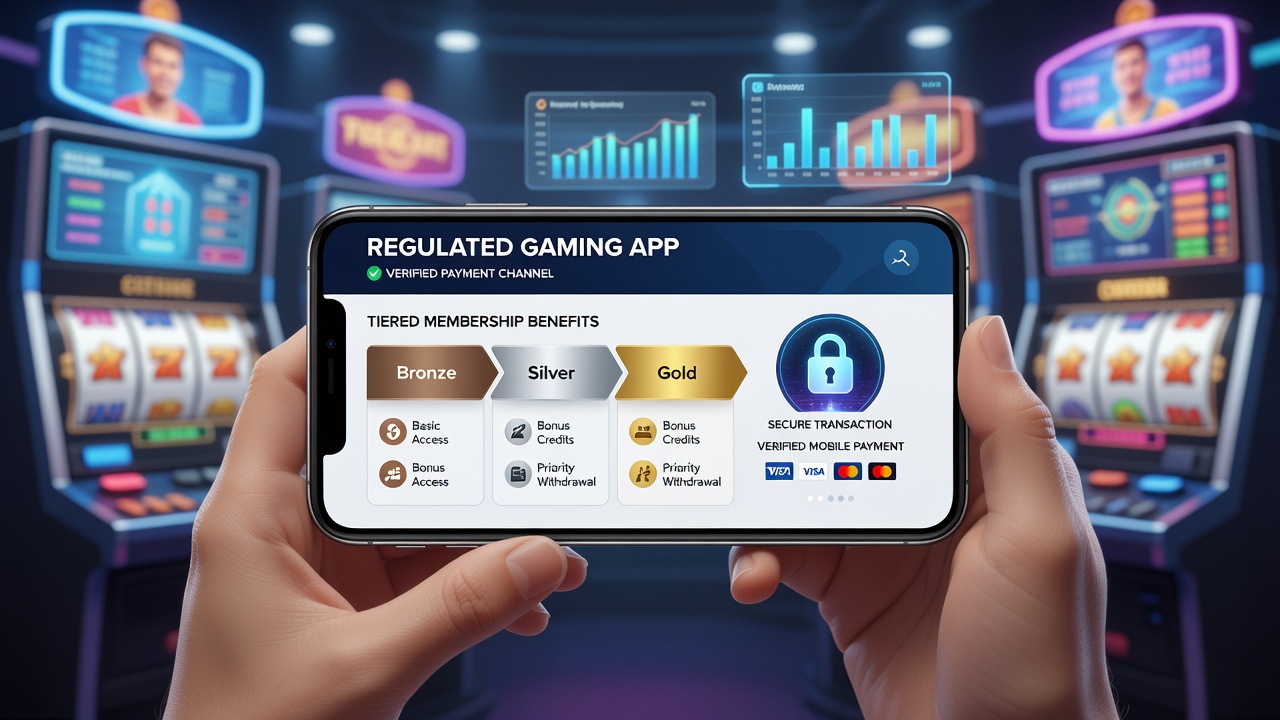
Membership Progression Strategies Using Verified Mobile Transactions in Licensed Gaming Applications
Regulated gaming applications integrate tiered membership structures that reward consistent activity through verified mobile payment channels, and these systems rely on secure transaction protocols to track player engagement while meeting compliance standards set by oversight bodies. Data from the Nevada Gaming Control Board shows steady adoption of mobile verification methods in licensed platforms during 2025 and into 2026, with operators reporting increased use of digital wallets and bank-linked apps for both deposits and reward redemptions.
Players advance through membership tiers by accumulating activity points tied directly to verified transactions, and this process often involves initial account setup where identity confirmation occurs via government-issued documents uploaded through the app. Once established, each payment processes through encrypted channels that log details such as amount, frequency, and method, which algorithms then convert into tier credits. Observers note that platforms in multiple jurisdictions maintain audit trails to satisfy regulatory requirements, ensuring that benefits like enhanced bonus percentages or priority event access unlock only after thresholds are met through legitimate channels.
Verification Processes and Their Role in Tier Advancement
Verified mobile payment channels serve as the backbone for tier navigation because they provide traceable records that distinguish standard play from the patterns required for higher status levels. In practice, an app might require players to complete a set number of deposits using methods such as Apple Pay or regional digital wallets before progressing from basic to intermediate tiers, and these steps align with rules from bodies like the Alcohol and Gaming Commission of Ontario. Research indicates that such verification reduces discrepancies in reward distribution while allowing operators to monitor for patterns that could signal non-compliant activity.
September 2026 brought updates to several regional frameworks, including adjustments in transaction monitoring thresholds across North American and Australian markets, yet core mechanisms remained consistent. Licensed apps continued to pair biometric authentication with payment confirmations, creating layered security that supports both player convenience and regulatory oversight. Those who've examined platform architectures point out that integration with third-party verification services often occurs seamlessly in the background, freeing users to focus on gameplay while the system handles compliance checks.
Benefit Structures Across Different Tiers
Tiered benefits in these environments typically scale with verified spending and activity volume, ranging from standard cashback percentages at entry levels to personalized account management and exclusive tournament entries at top tiers. Data shows that intermediate tiers frequently unlock faster withdrawal processing times and access to specialized game libraries, whereas elite levels add concierge services and higher deposit limits tied to ongoing verified transactions. Industry reports from the Australian Communications and Media Authority highlight how operators in that region have refined these structures to incorporate regional payment preferences, such as local bank transfers, without disrupting the verification flow.
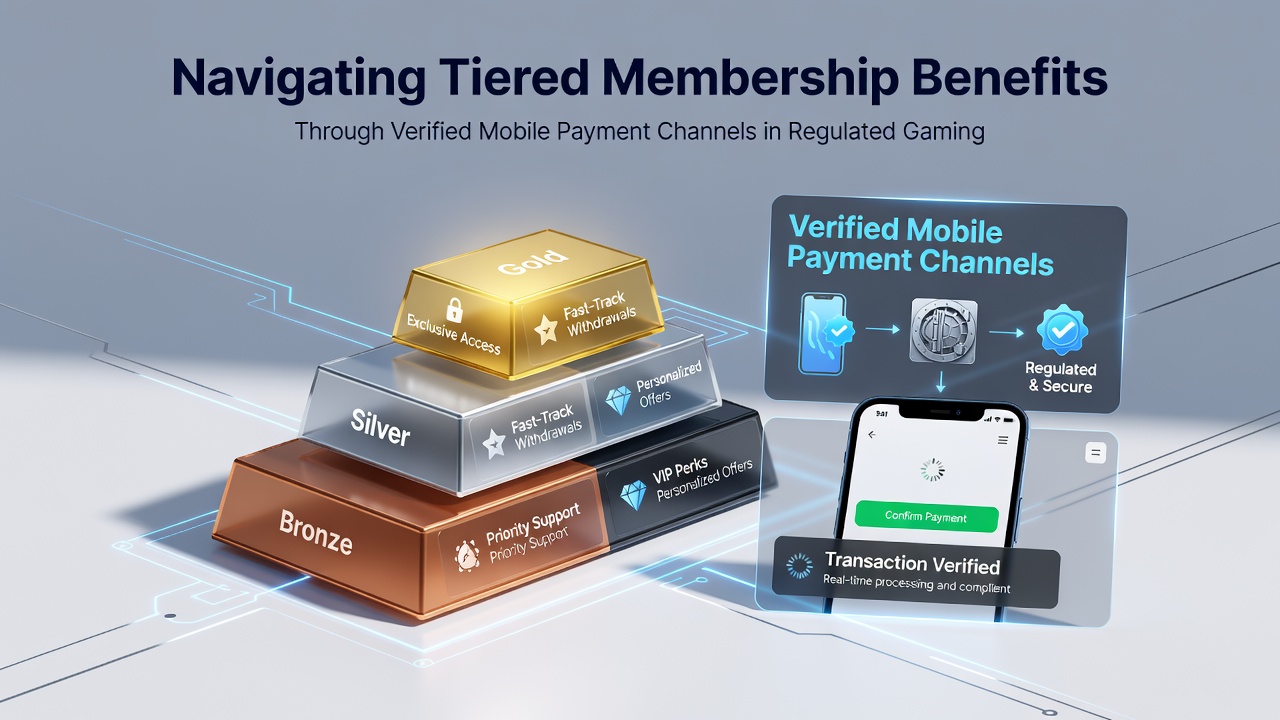
One study revealed that players who maintain consistent verified payment histories reach higher tiers more predictably because the systems automatically calculate and apply credits based on real-time logs. This approach eliminates manual claims in many cases, though some platforms still require confirmation steps for the most substantial rewards. What's interesting is how these mechanisms create clear pathways that reward sustained engagement while embedding safeguards against irregular patterns.
Regulatory Compliance and Cross-Border Considerations
Regulated apps must navigate varying rules across jurisdictions when implementing mobile payment verification for tier benefits, and this often means adapting verification standards to meet local licensing conditions. For instance, platforms operating under multiple authorities coordinate data handling practices to avoid conflicts, relying on standardized reporting formats that satisfy each regulator. Evidence from academic reviews of gaming technology suggests that unified verification protocols help operators scale across regions while maintaining transparency in how membership benefits are earned and redeemed.
Operators frequently update their systems to incorporate new security features as payment technologies evolve, and September 2026 saw several licensed applications roll out enhanced encryption standards in response to broader industry guidelines. These changes supported continued growth in mobile transaction volumes without altering the fundamental link between verified payments and tier progression. People who've studied these platforms note that the emphasis on compliance creates environments where both operators and players operate within established boundaries.
Practical Navigation for Users
Users typically begin by linking preferred payment methods during initial setup, after which the app tracks cumulative verified activity to display progress toward the next tier. Clear in-app dashboards present requirements such as minimum deposit counts or total transaction values needed for advancement, and these metrics update automatically following each confirmed payment. Case examples from regulated markets demonstrate that players who diversify verified channels, such as combining card payments with e-wallets, sometimes accelerate progress because certain platforms assign bonus multipliers to specific methods.
Support resources within the apps guide users through any discrepancies in tracking, ensuring that verified transactions register correctly before benefits activate. This transparency helps maintain trust in the system while aligning with expectations from oversight entities. The reality is that successful navigation depends on consistent use of approved channels rather than one-off actions.
Conclusion
Verified mobile payment channels continue to shape how tiered membership benefits function in regulated gaming apps, providing measurable pathways tied to documented activity. Data from sources including the Nevada Gaming Control Board and the Australian Communications and Media Authority underscores the role of these systems in supporting compliance and player progression across different markets. As platforms evolve through 2026 and beyond, the integration of secure verification methods remains central to delivering structured rewards within licensed environments.