Synchronizing Authentication Protocols with Accumulating Rewards in Mobile Slot Ecosystems
Kai Brooks · Aug 25, 2026
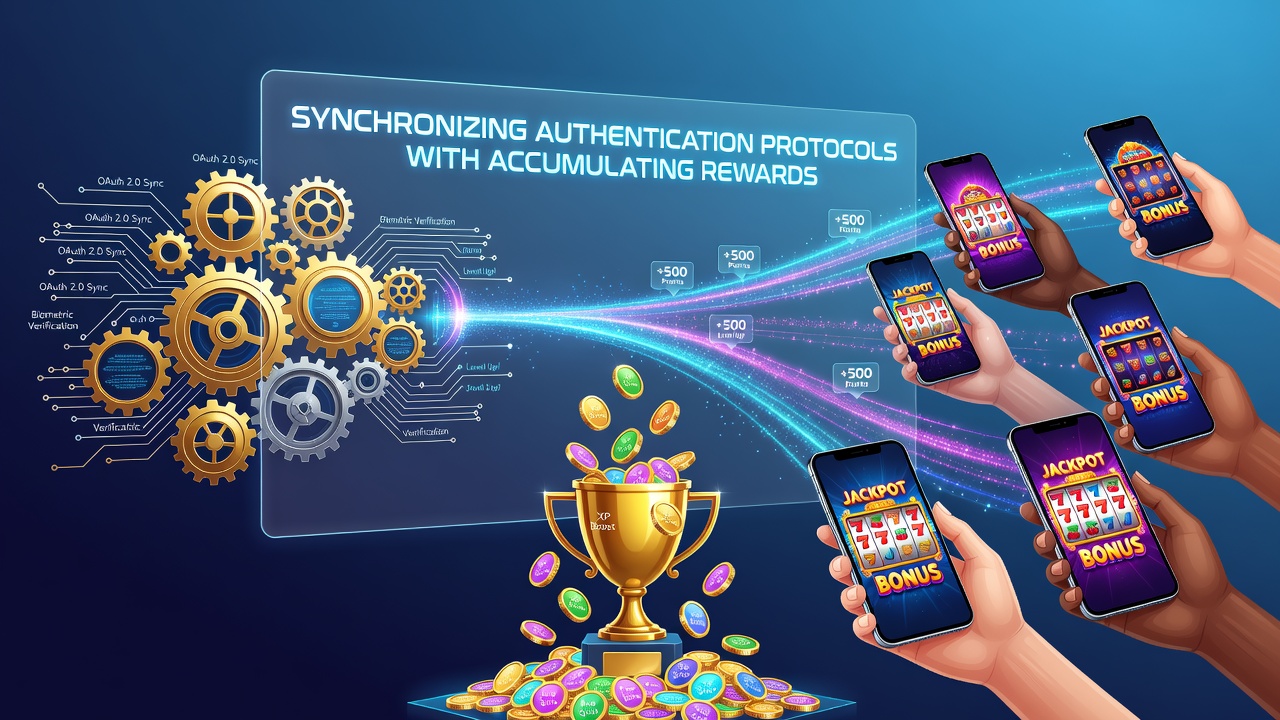
Synchronizing Authentication Protocols with Accumulating Rewards in Mobile Slot Ecosystems
Authentication protocols in mobile slot platforms now connect directly to reward accumulation systems, allowing real-time tracking of player activity while maintaining security standards across wireless networks. Developers integrate multi-factor verification methods with loyalty databases so that every spin or session contributes instantly to tiered reward structures without creating separate data silos. This synchronization relies on secure API connections that transmit encrypted user identifiers alongside gameplay metrics, ensuring points accrue accurately as players engage with slot titles on smartphones and tablets.
Core Components of Protocol Integration
Biometric authentication combines with token-based systems to verify identities at login, then passes validated sessions to backend reward engines that monitor bet amounts, session duration, and game types. Observers note that this linkage prevents delays in point crediting, which previously occurred when authentication and loyalty modules operated independently. Data from platform operators shows that synchronized systems reduce processing times for reward updates by connecting authentication events directly to accumulation triggers. Those who've studied mobile gaming infrastructure find that protocols such as OAuth 2.0 and FIDO2 standards support seamless handoffs between security checks and reward ledgers.
Encryption layers protect both authentication tokens and reward balances during transmission, while session timeouts reset after inactivity to limit exposure. Researchers discovered that platforms adopting these integrated approaches experience fewer discrepancies in point balances reported by users. In August 2026 several operators updated their mobile applications to align authentication refresh cycles with reward calculation intervals, creating smoother experiences for frequent players.
Technical Mechanisms Driving Synchronization
Event-driven architectures allow authentication servers to emit signals whenever a verified user initiates or continues play, prompting the reward system to log qualifying actions without manual intervention. These signals travel through middleware that validates session integrity before updating point totals, and developers often employ blockchain-style ledgers for immutable records of both logins and accumulations. One study revealed that such setups cut reconciliation errors by connecting every authenticated bet to its corresponding reward entry in a single workflow.
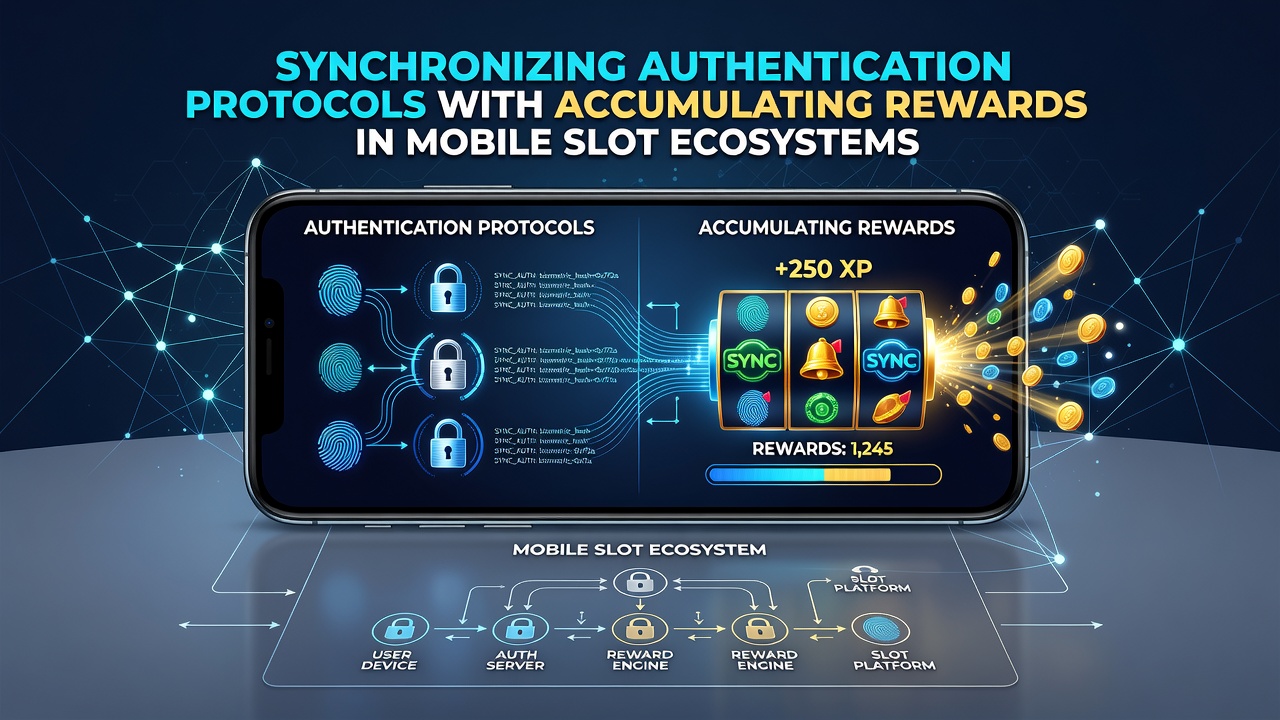
Cloud-based services scale these synchronized operations during peak hours, handling thousands of concurrent sessions while preserving data consistency across regions. Experts have observed that geographic distribution of servers helps maintain low latency for reward updates even when players switch between Wi-Fi and cellular connections. According to reports from the Nevada Gaming Control Board, operators must demonstrate that authentication-reward linkages meet audit requirements for accurate point tracking and fraud prevention.
Security Considerations in Reward Ecosystems
Multi-layered verification reduces risks of unauthorized access that could manipulate reward balances, yet the same layers must not interrupt the flow of data needed for real-time accumulation. Platforms apply risk-based authentication that escalates checks during high-value reward redemptions while allowing routine play to proceed with lighter verification. Those monitoring industry practices note that anomaly detection algorithms scan both login patterns and reward velocity to flag potential issues before points finalize in player accounts.
Regular penetration testing evaluates whether authentication endpoints expose reward data to interception, and findings from such tests guide protocol refinements. In practice, operators deploy hardware security modules to store encryption keys that protect the bridge between identity confirmation and point ledgers. Figures from the Australian Gambling Research Centre indicate that integrated systems maintain compliance with data protection standards while supporting growing volumes of mobile transactions.
Implementation Patterns Across Platforms
Some ecosystems use microservices where an authentication service publishes events to a message queue consumed by the reward service, ensuring eventual consistency without blocking gameplay. Others employ shared databases with strict access controls that let both functions read and write relevant fields under transaction safeguards. Observers note that hybrid approaches often emerge when legacy loyalty programs merge with newer mobile authentication frameworks. Case examples show operators achieving full synchronization within months by mapping existing reward rules onto updated authentication event schemas.
Testing environments replicate production traffic to verify that points accrue correctly after simulated logins, logouts, and network interruptions. Developers track metrics such as point credit latency and authentication success rates to confirm the combined system performs reliably before wider rollout.
Conclusion
Synchronization between authentication protocols and reward accumulation continues to shape mobile slot operations through tighter technical coupling and ongoing security refinements. Platforms that maintain these connections deliver consistent point tracking while meeting regulatory expectations for data integrity. As mobile usage expands, further alignment of these systems supports both operational efficiency and player account accuracy across diverse network conditions.