Tracing the Pathways of Digital Currency Adoption in Remote Gaming Loyalty Frameworks
Riley Lehmann · Jun 21, 2026
Tracing the Pathways of Digital Currency Adoption in Remote Gaming Loyalty Frameworks
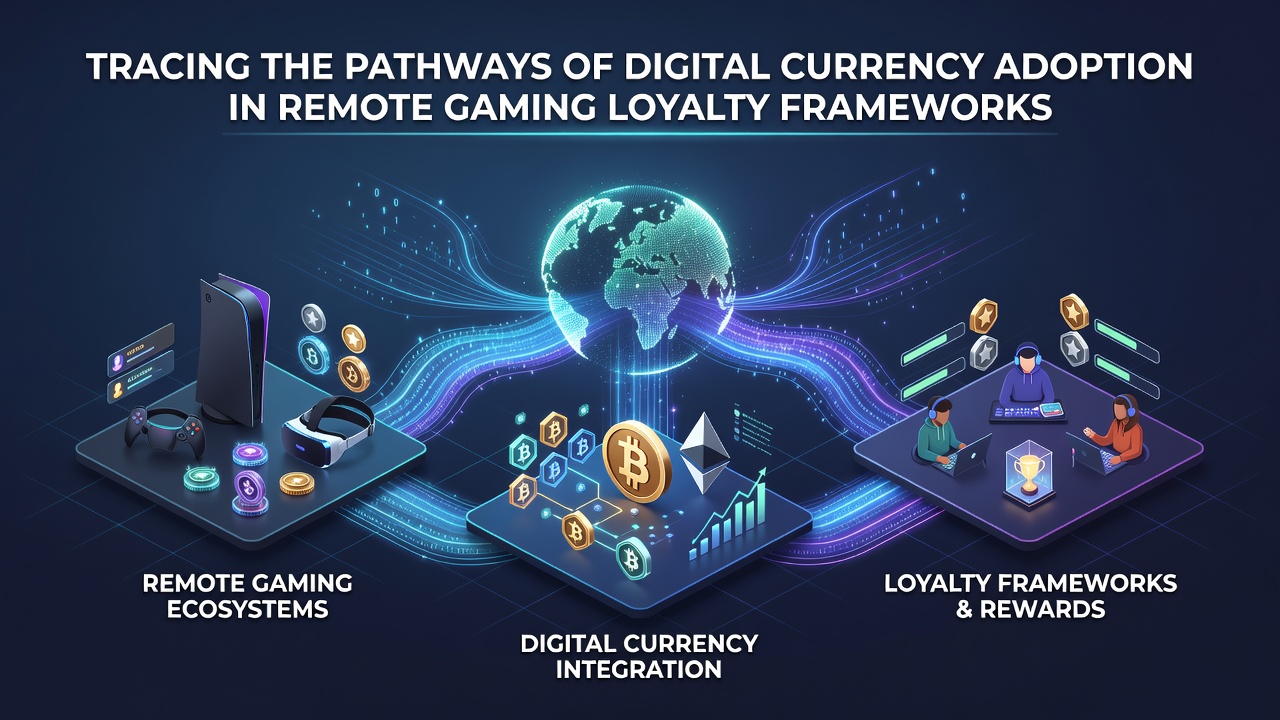
Remote gaming platforms have integrated digital currencies into loyalty frameworks at an accelerating pace since the mid-2010s, creating traceable pathways from initial deposits to tiered reward redemptions. These systems rely on blockchain ledgers that record every transaction in loyalty ecosystems, allowing operators to verify player activity without traditional banking intermediaries.
Early implementations focused on cryptocurrencies such as Bitcoin and Ethereum for deposit bonuses, yet the shift toward stablecoins and tokenized loyalty points emerged as platforms sought volatility protection. Data from industry tracking services shows that by 2023 over 180 remote gaming sites offered crypto-based loyalty tiers, a figure that climbed steadily through subsequent years as regulatory clarity improved in multiple jurisdictions.
Foundational Mechanisms in Digital Loyalty Tracking
Blockchain protocols enable immutable records of player wagers, bonus claims, and reward accruals, which loyalty frameworks then convert into redeemable assets. Smart contracts automate point distribution once predefined thresholds are met, reducing manual processing and creating direct links between gameplay data and currency balances. Observers note that this automation has allowed operators to scale programs across thousands of concurrent users while maintaining audit trails required by licensing authorities.
Payment rails built on these ledgers support instant conversions between in-game credits and external digital wallets, shortening the cycle from deposit to loyalty qualification. Multiple platforms now embed wallet connectivity directly into mobile applications, where users view accumulated rewards in real time and initiate redemptions without leaving the gaming environment.
Regional Patterns Emerging Through 2026
North American operators expanded crypto loyalty options following state-level approvals for digital asset transactions in gaming, whereas European markets emphasized compliance with existing payment service directives. In Asia-Pacific regions, several jurisdictions piloted tokenized reward systems tied to local digital currencies, creating hybrid models that blend centralized oversight with decentralized transaction logging. Reports indicate that adoption rates in these areas varied according to infrastructure readiness and player demographics.
By June 2026, several major remote platforms reported measurable increases in loyalty program participation after introducing stablecoin-denominated rewards, with transaction volumes rising notably during promotional periods. These developments aligned with broader industry efforts to standardize data formats for cross-platform reward portability.
Case Examples of Integrated Frameworks
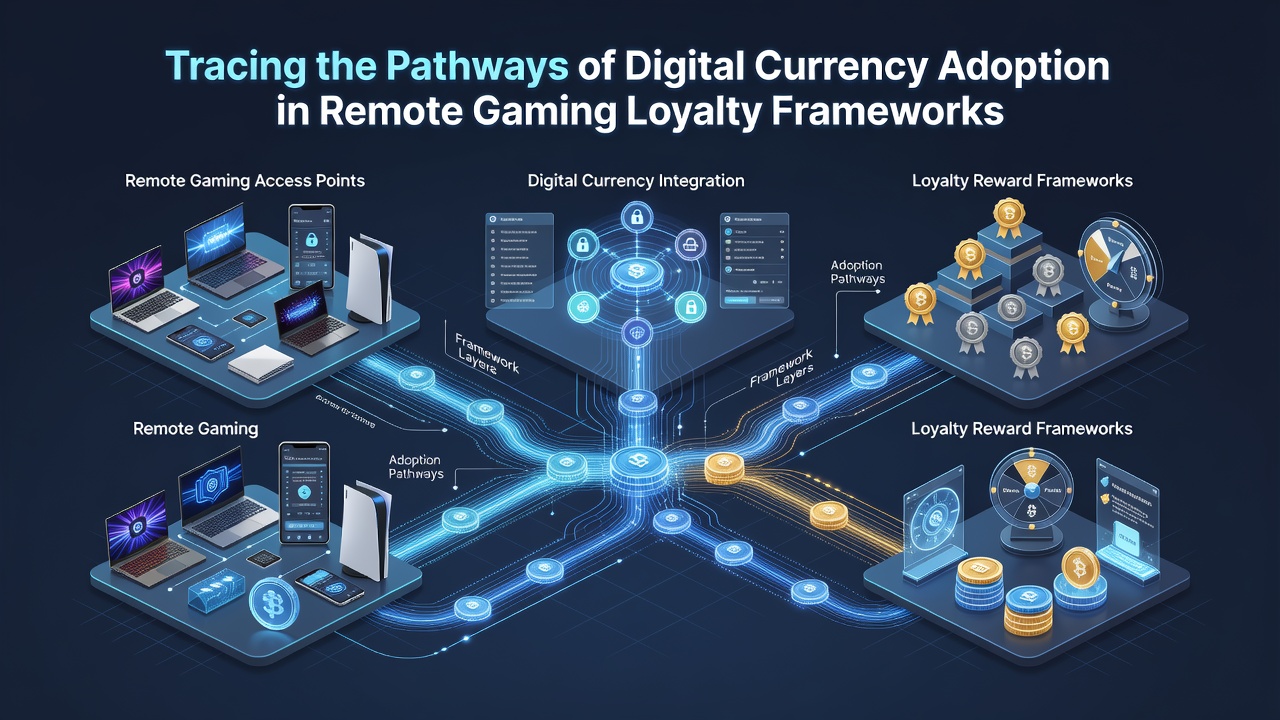
One European platform adopted a layered system where players earn fractional stablecoin units for each qualifying bet, then exchange accumulated balances for tournament entries or merchandise through automated smart contract execution. Transaction logs from this setup revealed consistent growth in repeat participation among users who maintained active digital wallets. Another operator in the Americas introduced a referral module that credited both referrer and referee with tokenized points, traceable through the same ledger used for core gameplay rewards.
These examples illustrate how digital currency pathways extend beyond simple deposits into multifaceted engagement loops, connecting social features, live events, and personalized offers within single ecosystems. Researchers from academic institutions have examined these models to assess efficiency gains compared with legacy point systems.
Regulatory and Technical Considerations
Licensing bodies in various regions now require operators to demonstrate transparent tracking of digital asset flows within loyalty programs, prompting adoption of standardized reporting tools that interface with blockchain explorers. Technical standards developed by industry associations have facilitated interoperability between different wallet providers and gaming servers, although implementation timelines differ by market.
Security protocols, including multi-signature wallet controls and encrypted transaction verification, underpin these frameworks to protect against unauthorized access. Data from regulatory filings shows that platforms maintaining rigorous audit practices experience fewer compliance incidents related to loyalty redemptions.
Conclusion
Digital currency pathways within remote gaming loyalty frameworks continue to evolve through incremental technical refinements and regulatory adaptations. The integration of blockchain-based tracking has established verifiable connections between player actions and reward outcomes across multiple jurisdictions, supporting expanded program features without reliance on conventional financial channels. As platforms refine these systems, the emphasis remains on maintaining accurate transaction records and compliant redemption processes that align with evolving standards.