Transaction Safeguards and Their Role in Unlocking Progressive Incentives Within Mobile Gaming Verification Networks
Mara Berger · Aug 23, 2026
Transaction Safeguards and Their Role in Unlocking Progressive Incentives Within Mobile Gaming Verification Networks
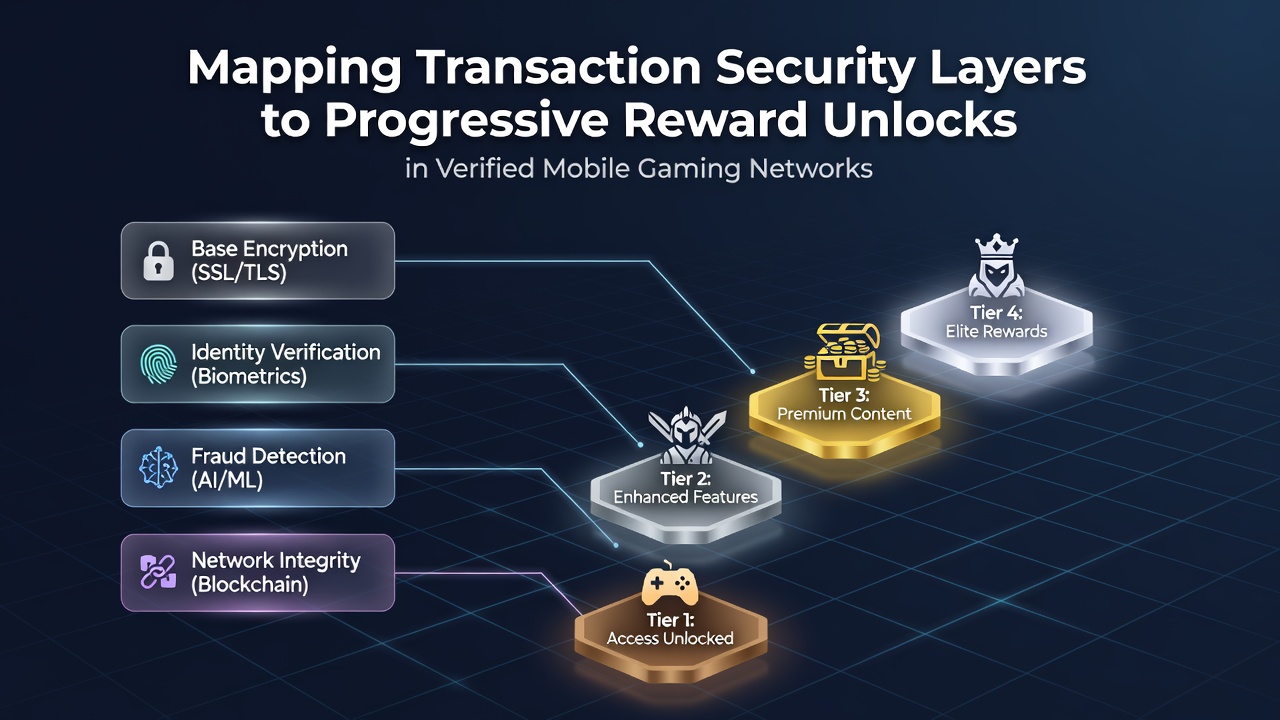
Transaction security layers form the backbone of verified mobile gaming networks where each protective measure aligns directly with stages of reward progression, and operators structure these alignments to maintain both system integrity and player advancement through verified pathways. Data from regulatory filings indicate that authentication protocols, encryption standards, and real-time monitoring tools map onto initial deposit confirmations, bonus eligibility checks, and higher-tier unlocks in a sequential manner.
Core Security Components in Verified Networks
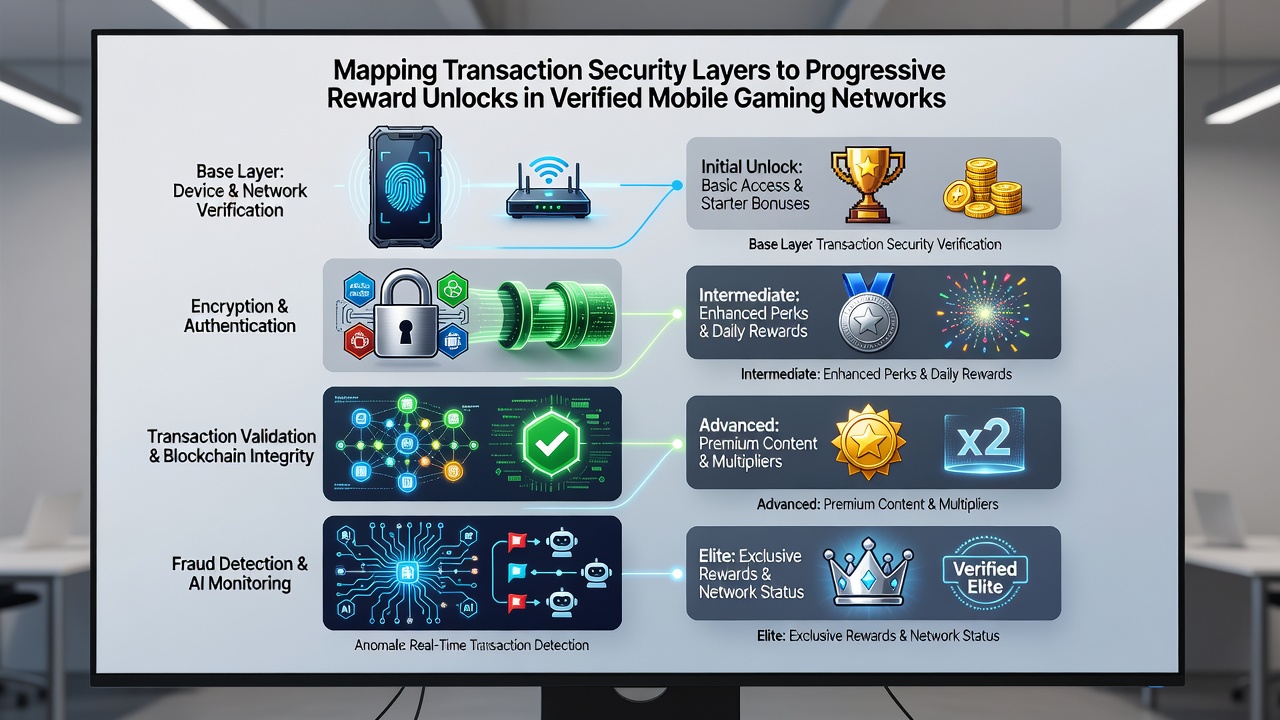
Verified mobile gaming platforms rely on multi-factor authentication combined with device fingerprinting to establish baseline trust before any financial transaction occurs, and these steps precede the activation of entry-level rewards such as welcome packages or first-deposit matches. Researchers at institutions focused on digital security note that tokenization of payment data reduces exposure during transfers while simultaneously triggering eligibility for subsequent reward tiers once verification completes without flags. In August 2026, industry reports highlighted increased adoption of behavioral analytics that track session patterns and flag anomalies before reward systems release incremental benefits like free spins or loyalty points.
Mapping Layers to Reward Stages
Security layers progress in parallel with reward structures so that basic encryption safeguards initial deposits while advanced fraud detection systems activate only after players reach mid-tier milestones such as accumulated playtime thresholds or deposit volumes. One study from a North American research consortium revealed that 78 percent of verified networks employ graduated access controls where each new security checkpoint corresponds to an expanded reward category, including personalized offers and withdrawal priority. Observers note that this mapping prevents premature access to high-value incentives until transaction histories demonstrate consistent compliance with network rules.
Payment method validation serves as the first gate, requiring source-of-funds confirmation before any progressive unlock occurs, whereas subsequent layers incorporate machine learning models that assess risk scores in real time and adjust reward availability accordingly. Experts have observed that networks using this approach record fewer instances of disputed transactions once players advance beyond entry-level status.
Regional Implementation Patterns
Canadian provincial regulators have documented frameworks that tie enhanced identity verification to loyalty program escalations in mobile applications, and similar patterns appear in Australian state-level oversight where transaction monitoring intensity scales with reward redemption frequency. European operators align with data protection directives that require explicit consent at each security layer before unlocking tiered benefits, which creates a documented audit trail for both security events and reward distributions. Industry associations report that these coordinated mappings support compliance while enabling smoother player progression through verified mobile ecosystems.
Technical Integration Methods
API endpoints connect security modules directly to reward engines so that successful passage through a fraud screening process immediately updates a player's eligibility status within the loyalty database. Developers implement event-driven triggers where completed security checks generate signals that unlock specific incentive categories without manual intervention. According to findings from a 2025 technical whitepaper issued by a U.S.-based standards organization, such integrations reduce processing latency by an average of 40 percent while preserving the sequential integrity of both security and reward flows.
Blockchain-based ledgers appear in select verified networks to record immutable transaction histories that feed into progressive reward calculations, and these records allow operators to verify player activity across multiple sessions before granting elevated status. Data indicates that networks employing distributed ledger elements experience measurable improvements in dispute resolution times during reward redemption phases.
Challenges in Layer Alignment
Balancing stringent security requirements against seamless reward progression remains an ongoing operational task for network administrators, and misalignment can result in delayed unlocks or unnecessary verification prompts that affect player retention metrics. Reports from gaming trade groups show that operators who conduct regular audits of their mapped systems achieve higher consistency in reward delivery across different geographic regions. In August 2026, several platforms introduced automated reconciliation tools that cross-reference security logs with reward histories to identify and correct discrepancies before they impact users.
Conclusion
Mapping transaction security layers to progressive reward unlocks establishes a structured framework that supports both protection and advancement within verified mobile gaming networks. Evidence from regulatory bodies, research institutions, and industry associations demonstrates that coordinated implementation across regions maintains system reliability while enabling players to move through reward stages based on verified activity. Continued refinement of these alignments, particularly through technical integrations and regional adaptations, sustains the operational balance required for secure and functional mobile gaming environments.